
Ladakh Group Trip 2026 — Routes, Costs, Best Operators & When to Go
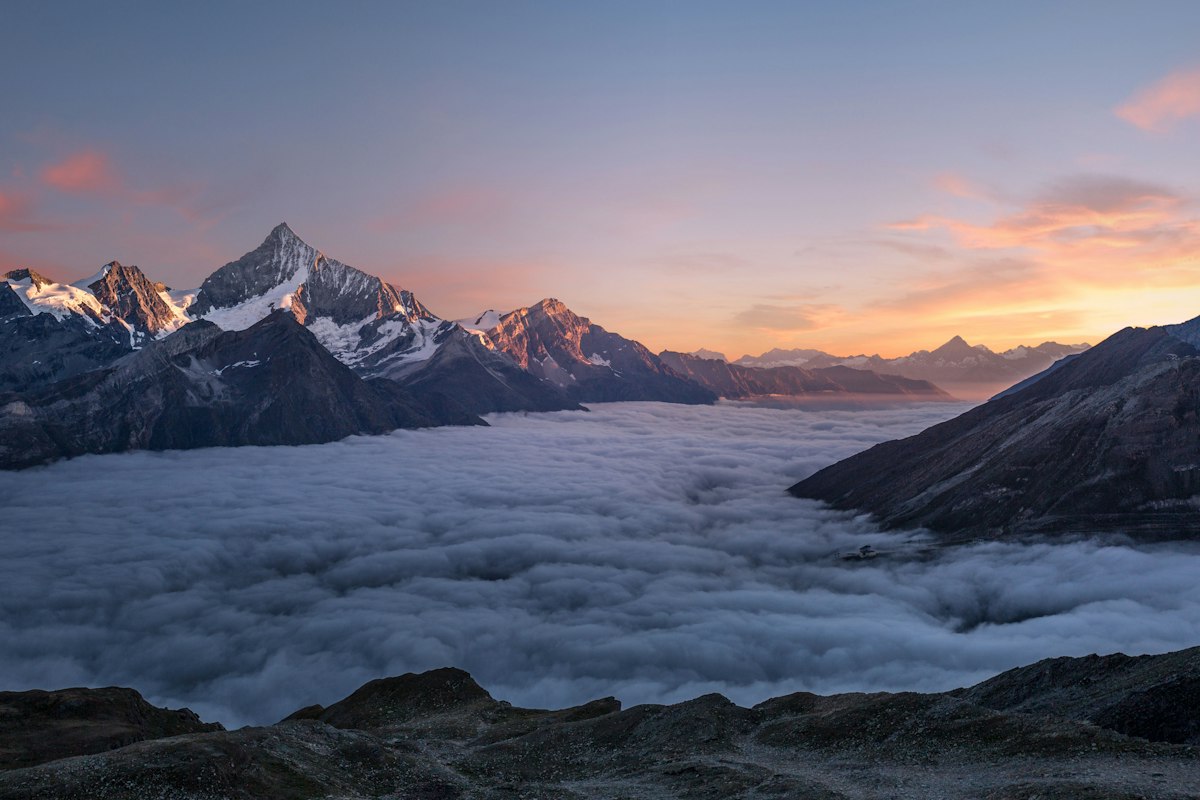
You've decided to do Ladakh. You open your phone, join three WhatsApp groups, get added to two more, and spend the next four weekends comparing PDFs with inconsistent itineraries and prices that shift every time you ask a question. Six weeks later you're no closer to actually booking a Ladakh group trip. Sound familiar?
This guide cuts through it. We cover the four routes that actually get run as fixed-departure group trips, the realistic cost breakdown for 2026, and the four things you should check before handing any operator a rupee — things that matter specifically in Ladakh, not just on any mountain trip.
What you'll learn in this post:
- Which Ladakh routes work best for group travel and why
- What a Ladakh group trip realistically costs in 2026 (not the "starting from" number)
- The best months to go — and the months that look tempting but aren't worth it
- What to ask any operator before you book
Why Ladakh works exceptionally well for group trips
Ladakh isn't just a destination that tolerates groups — it's a destination that actively rewards them. Here's why.
Altitude acclimatisation is easier with a group. At 3,500m in Leh and 5,359m at Khardung La, altitude sickness isn't hypothetical. A good group trip builds in two mandatory acclimatisation days post-Leh landing, keeps the pace slow, and has a trek leader who knows the difference between headache-from-dehydration and early AMS. Solo travelers frequently skip these rest days to save time. Group trips don't give you that option — and that's a feature, not a bug.
Logistics are genuinely cheaper split 8–12 ways. Inner line permits for Nubra Valley and Pangong (required for Indian citizens and mandatory for foreigners) cost ₹600–₹800 per person but require group processing at the DC office in Leh — something operators handle as a matter of course. Shared Tempo Travellers or Innova Crystas across high mountain passes cost ₹12,000–₹18,000 per day to hire; split across 10 people it becomes manageable. Trying to arrange this solo, arriving in Leh with no local contacts, is a full-time job.
Mountain road safety improves with numbers. The Manali–Leh highway crosses Rohtang, Baralacha La, Nakee La, Lachulung La, and Tanglang La — five passes above 4,800m — in under 480 km. Breakdowns happen. Acclimatisation crises happen. Having an experienced trip captain who has driven this route 30 times and knows the nearest medical point at every pass is worth more than the cost difference between a solo hire and a group trip.
Popular Ladakh group trip routes
Route 1: Leh–Nubra Valley–Pangong Lake (7–9 days)
The most-run group trip route in Ladakh, and for good reason. You fly into Leh (skipping the highway slog), spend two days acclimatising, then cross Khardung La (5,359m — often cited as one of the world's highest motorable passes) into the Nubra Valley for sand dunes and double-humped Bactrian camels. You return via the Shyok River road to Pangong Lake — 134 km of blue that changes colour by the hour. Two nights at Pangong is standard.
- Duration: 7–9 days (usually 8 nights)
- Highlights: Khardung La, Hunder sand dunes, Diskit Monastery, Pangong sunrise
- Difficulty: Easy to moderate — this is a road trip, not a trek
- Best for: First-time Ladakh visitors, mixed-fitness groups
Route 2: Leh–Pangong–Tso Moriri Circuit (9–11 days)
An extension of Route 1 that continues south from Pangong to Tso Moriri, a high-altitude lake at 4,522m in the Changthang plateau. Far fewer group operators run this route because the logistics are harder (fewer fixed camps, longer drives) but the reward is proportional — you're moving through one of the least-touristed corners of the Himalayas. Changthang Wildlife Sanctuary permits are required.
- Duration: 9–11 days
- Highlights: Pangong, Tso Moriri, Hanle (dark sky reserve), Changthang plateau
- Difficulty: Moderate — longer drive days at sustained altitude
- Best for: Return Ladakh visitors, people who want to avoid the more crowded Route 1 campsites
Route 3: Manali–Leh Highway (8–10 days, one-way or loop)
Starting from Manali instead of flying into Leh is slower, colder, and harder — and a significant number of travelers specifically want that. The highway is open June–October and crosses five passes in two driving days. Groups typically stop at Jispa, Sarchu, or Pang for the night at 4,200m–4,500m, giving a more gradual altitude gain than the Leh landing + immediate acclimatisation approach. The highway itself is the experience — it is genuinely one of the great road journeys on the planet.
- Duration: 8–10 days (Manali to Leh, or Manali–Leh–fly back)
- Highlights: Rohtang Pass, Baralacha La, Sarchu plains, Tanglang La, entry into Leh valley
- Difficulty: Moderate — long days in vehicles, cold nights at high camps
- Best for: Road trip enthusiasts, travelers with the time to do it properly
Route 4: Markha Valley Trek (7–9 days)
The only trek on this list, and the one for travelers who want Ladakh on foot rather than by road. The Markha Valley route runs from Chilling to Hemis through a high-altitude canyon, crossing Kongmaru La at 5,150m on the final day. You stay in homestays in villages — Skiu, Markha, Nimaling — that have been hosting trekkers for decades. Trek group sizes are smaller (8–14 people) and the pace is set by the slowest member, which is either comforting or frustrating depending on your fitness level.
- Duration: 7–9 days (including 2 acclimatisation days in Leh)
- Highlights: Markha village, Kang Yaze views, Nimaling plateau, Hemis National Park
- Difficulty: Moderate to challenging — 6–8 hours of hiking per day, one high pass
- Best for: Trekkers who've done 5,000m+ before, or those with a good fitness base
Best time for a Ladakh group trip
June–September is the reliable window. Most operators open batch dates from the first week of June (after Rohtang opens) and run through late September. July and August are the peak months — passes are fully clear, campsites are operational, and homestays are stocked.
Here's the month-by-month breakdown:
| Month | Road conditions | Temperature (Leh) | Crowd level | Group trips available |
|---|---|---|---|---|
| June | Manali–Leh opens mid-June | 15–25°C day, 5–8°C night | Low–Medium | Yes |
| July | Fully open | 25–33°C day, 10–15°C night | High | Peak season |
| August | Fully open | 25–32°C day, 10–14°C night | High | Peak season |
| September | Open, some early snow at passes | 18–28°C day, 5–8°C night | Medium | Yes, reducing dates |
| October | Manali–Leh closing, risky | 5–15°C day, -5–0°C night | Low | Very limited |
| Nov–May | Manali–Leh closed | Sub-zero nights, -20°C possible | Near-zero | Chadar trek only (Jan–Feb) |
A note on winter Ladakh: Unless you are specifically doing the Chadar trek (frozen Zanskar River, January–February, a genuine expedition requiring cold-weather gear and a high fitness level), there is no good reason to go to Ladakh in winter. The highway is closed, most accommodation is shut, and the altitude combined with -25°C nights is not a "quieter experience" — it is genuinely dangerous without the right preparation.
What a Ladakh group trip costs in 2026
The "starting from ₹12,000" numbers you see on some listings are not full-trip costs. Here is what you should actually budget.
Package cost (operator fee, all-in): ₹18,000–₹35,000 per person for 7–9 days. Budget operators (basic accommodation, shared Tempo Traveller) sit at ₹18,000–₹22,000. Mid-range operators with better camps and smaller groups run ₹24,000–₹30,000. Premium operators with guaranteed private tents, better vehicles, and smaller batch sizes hit ₹30,000–₹35,000.
What's typically included:
- All transport from Leh (or Manali) and back
- Accommodation (camps, guesthouses, or homestays depending on operator)
- All meals from Day 1 dinner to last day breakfast
- Inner line permits for Nubra and Pangong
- Trip captain or guide
- Oxygen cylinder carried in the vehicle (confirm this explicitly)
What's typically excluded:
- Flights to/from Leh (budget ₹5,000–₹15,000 each way depending on booking window)
- Camera fees at Pangong and some monasteries (₹50–₹500 per camera)
- Personal medical expenses and travel insurance
- Alcohol
- Tips for drivers and local guides
Total realistic budget for one person: ₹30,000–₹55,000 for an 8-day trip including flights from a major metro, depending on how early you book.
Quick Facts: Ladakh Group Trips
| Best time to visit | June–September |
| Typical group size | 8–16 people |
| Price range | ₹18,000–₹35,000 per person (ex-flights) |
| Trip duration | 7–11 days |
| Common routes | Leh–Nubra–Pangong, Manali–Leh highway, Markha Valley trek |
| Top operators on Kitehopper | WanderOn, Trek The Himalayas, JustWravel |
How to pick the right Ladakh operator — 4 things that matter here specifically
Most booking checklists are generic. These four things apply specifically to Ladakh and can be the difference between a difficult situation and a dangerous one.
1. Do they carry an oxygen cylinder in every vehicle?
Ask this directly. On any route crossing passes above 5,000m, a portable oxygen cylinder is non-negotiable safety equipment. Some operators carry one per vehicle. Some carry none and rely on "acclimatisation stops." Get a straight answer — "yes, one cylinder per vehicle" — before you book.
2. What is their AMS (acute mountain sickness) protocol?
A good operator has a clear policy: if a trekker or traveler shows moderate AMS symptoms (severe headache, vomiting, loss of coordination), they descend immediately, full stop — even if it means one person leaves the group early. Ask how many times their team has evacuated a traveler in the last season. An operator who says "never" either hasn't run many trips or isn't being honest.
3. How old are the vehicles and how recently were they serviced?
Manali–Leh and the routes to Nubra and Pangong are not roads where you want a mechanical failure. Ask the operator what vehicles they use (Innova Crysta or Tempo Traveller are the standard), how old they are, and whether the specific vehicles for your batch have been serviced for the season. This is not an unreasonable question — a legitimate operator will have an answer.
4. Who handles the permits, and how?
Inner line permits for Nubra, Pangong, Tso Moriri, and Hanle are obtained from the DC office in Leh or online through the Leh permit portal. Foreigners need to apply separately and can't travel to Nubra or Pangong on certain routes without a Protected Area Permit from a government-registered operator. Ask whether permit handling is included in your package, and whether the operator has experience handling foreign nationals if your group includes them.
Find Ladakh group trips on Kitehopper
Kitehopper lists 30 verified group trip operators running fixed-departure Ladakh trips across all four routes above — with batch dates, group sizes, inclusions, and pricing in one place. No PDFs, no WhatsApp quote threads.
Browse Ladakh group trip packages on Kitehopper: kitehopper.com/search?q=ladakh
Frequently Asked Questions
How much does a Ladakh group trip cost?
A Ladakh group trip costs ₹18,000–₹35,000 per person for 7–9 days, excluding flights. Budget packages with basic camps and shared Tempo Travellers sit at the lower end; mid-range packages with better vehicles and private tents run ₹24,000–₹30,000. Add ₹10,000–₹30,000 for return flights from your city depending on how far in advance you book. Total trip cost for one person including flights is realistically ₹30,000–₹55,000.
Is Ladakh safe for first-time group travelers?
Yes — provided you travel with an operator who builds in proper acclimatisation time and carries safety equipment. The two genuine risks in Ladakh are altitude sickness and mountain road accidents. A well-run group trip addresses both: two mandatory acclimatisation days in Leh, oxygen cylinders in vehicles, and experienced drivers who know the passes. Going with a group is actually safer than going solo for a Ladakh first-timer, because the pace is controlled and you're never alone at altitude.
What is the best time for a Ladakh group trip?
June to September is the best window for a Ladakh group trip. July and August offer the most reliable road conditions, warmest temperatures, and the widest selection of operator batch dates. June is excellent for less crowded routes but the Manali–Leh highway typically opens only mid-June. September is beautiful — clear skies, moderate crowds — but batch dates reduce after the third week. Avoid October onwards unless you are specifically doing the Chadar trek in January or February.
Do I need permits for Ladakh?
Yes. Indian citizens require an Inner Line Permit (ILP) to visit Nubra Valley, Pangong Tso, Tso Moriri, and Hanle. The permit costs ₹600–₹800 per person and is typically processed by your operator in Leh — confirm this is included in your package. Foreign nationals require a Protected Area Permit (PAP), which can only be obtained through a government-registered travel agency in groups of two or more. Most reputable group trip operators are registered and handle PAP processing as a standard part of their service for international travelers.
Ready to stop comparing PDFs and actually book? Browse verified Ladakh group trips on Kitehopper →
Find group trips on Kitehopper
30 verified operators · 1,200+ trips · 300+ destinations. No WhatsApp to a stranger.
Browse group trips →